
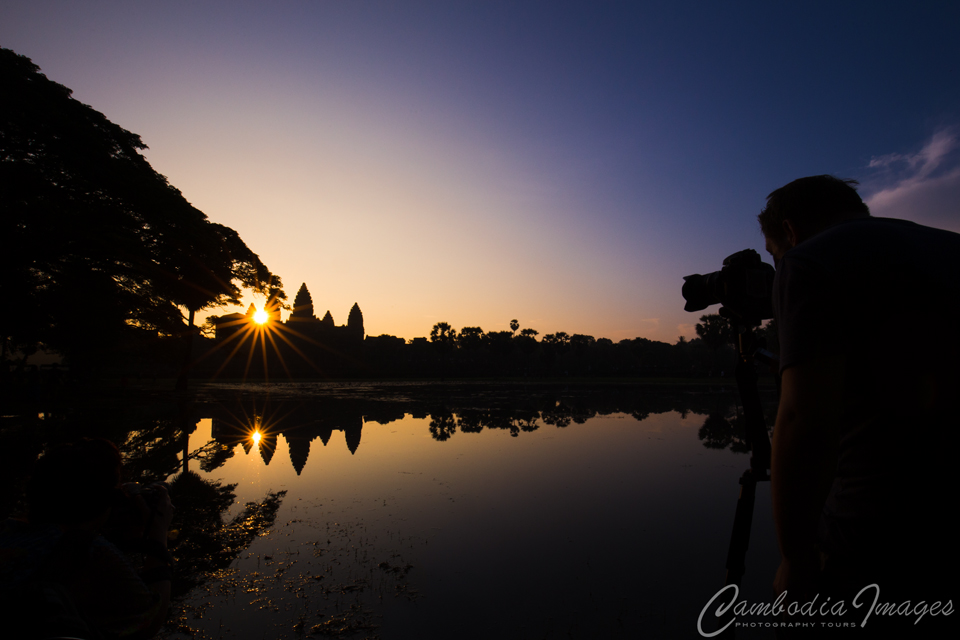
Do’s and don’ts when visiting Angkor Wat. This article, based on our experience from running Siem Reap photography workshops throughout the Angkor Archaeological Park. It is aimed at photographers who intend to visit the temple complex, however many points are relevant to all visitors.
Lens-fogging morning humidity, midday glare and thousands of tourists, shooting Angkor Wat can be tough. This survival guide helps real camera issues, dust-proofing tips, and crowd-free routes to help you bring home professional shots.
-
Jet lag. Don’t expect to get off a long haul flight and do a full day photography tour.
A full day at the Temples is tiring. For photographers consider a midday break, shoot the best light. We have had people drop out of photo tours after sunrise due to jet lag. Over sleep, forget your early morning pickup, not the best way to please your guide! You may have traveled a long way to see the majestic Angkor, make sure you enjoy it.
-
Clothing, cover up from the sun and keep hydrated.
Siem Reap is hot, even in rainy season. Shade from clouds helps during the rains, between times the sun is intense. Walk like the locals, in the shade. Grab a hat & keep cool, observe the Apsara authority dress code. A good closed walking shoe is recommended. The temple floors are uneven at best. I have twisted my ankle early one morning, it’s not fun. Fortunately a tripod can double as a walking stick.
High season is particularly warm mid day so keep the fluids going. People have passed out in the park due to dehydration, luckily nobody on our tours as we supply ample water for free.
-
Be patient, good photo opportunities will come.
Big tour groups are popular in Angkor park, do your best to avoid them. They will pass with time, until the next group comes along. Similarly, wait for the right light. You will probably be here only a few days. To be at the right place for the right light is not always possible in one day. Scout around on your first day will give you a good Idea of where to be on preceding days.

Our Siem Reap photo workshops teach you how to look past the grand horizons to spot the quiet, powerful narratives happening in the shadows of the secondary ruins. Capturing local monks interacting with these centuries-old corridors offers an incredible lesson in monochrome contrast, tonal values, and timing the decisive moment. We show you how to blend into the landscape respectfully, ensuring you bring home intimate, story-driven portraits that celebrate authentic Khmer culture.
-
Stick to the path and times as advised by the lovely Apsara staff.
Climbing up structures within the park & you will be cautioned, Apsara staff are everywhere. Staff with a uniform, whistle and a two way radio has power! Be polite and do as they say, even if there is absolutely no sensible reason for the ‘way of visit’ sign. Recently, opening times have become strict, respect the rules. People (us!) have been approached by machete-armed monks in a remote temple after dark… They thought we were ghosts!
-
How Do I Avoid the Crowds at Angkor Wat?
If you are on a photography tour then let us know your preferences and we will try to fit them in, however, take our advice. There are certain areas and times of day where places are at their best. If you’re going via tuk tuk, most drivers will know the routes, so please speak to them before departure and they will try to accommodate.
-
Watch your head, those sandstone lintels are hard.
Many of the temples have low entrances and it can hurt. In all seriousness, a long day at the temples leads to tiredness and hitting your head on a low doorway does happen, I speak from experience. I have seen blood, you have been warned.
-
Mosquitoes & bugs & Monkeys!
If mosquitoes are attracted to you, bring some repellent. Hand sanitizer is a wise move. As for creatures, you may see odd snake or scorpion but unlikely. After dark can be fun, with numerous oddball creatures making an appearance. Ants are evil, the big red ones, the ants that steal your food, you have been warned!
People travel around the world to see the iconic Temples then want to photograph the monkeys. Don’t expect enthusiasm by your guide, and if you have food, be aware that that’s what they want!
-
Essential Camera Gear for an Angkor Wat Photo Tour.
We all get carried away with new camera equipment and it’s a great place to test out your new gear. Remember, it’s your eye that sees the picture. Don’t buy the whole range of top end equipment expecting immediate results. Carrying lots of kit around is not so fun. Travel light, a wide lens is good, a tripod for early light. A long day at the temples is tiring, pushing yourself can lead to mistakes. Memory is cheap, bring plenty and snap away. Don’t forget a spare battery, especially Sony users! A power pack may help get some charge over lunch break.
-
How Do You Protect Camera Gear From Angkor Wat’s Humidity?
Visitors are here for just a few days. We have to put up with the humid dusty environment all year. Keep your camera clean and off the floor. A good bag with ventilation, maybe a rain cover in the wet season will help. I carry a dry-bag for emergencies when shooting storms or at the temples during rainy season.
When coming out of your air-con room at 4.30 am to catch the iconic Angkor Wat sunrise, get your camera out to acclimatise, its all about the dew point! Entering into the humid morning air from an air conditioned room will inevitably cause condensation on your lens, giving an artistic blur to your iconic sunrise shot.

Our Unseen Angkor photography workshops are designed to get you away from the standard tourist loops and out into the hidden, overgrown jungle temples. Locations like these offer incredible opportunities to practice unscripted travel journalism and authentic environmental portraiture. We guide you on how to work quickly with dappled, harsh natural light, interact respectfully with the locals, and capture genuine human emotion framed against centuries-old sandstone ruins
-
Get to know your guide, it can make your day!
Whether it be a professional photographer or a licensed Local guide, make sure they are who you want for the day ahead. There is nothing worse than booking through a third party and not getting what you want. If, for example, you want a German speaking guide, then make sure you talk to them prior to booking your trip!
Above all, enjoy your day at the temples. Don’t rush, absorb the atmosphere and respect the locals, they are great people. The best light is at the beginning and end of the day so there’s no real need to rush around in the mid day heat. Take this time to reflect on the overwhelming magical temples of Angkor.
Check out my latest post: Rainy season is GREEN season 🙂


Frequently Asked Questions: Angkor Wat Photography
- How do I avoid crowds when photographing Angkor Wat?
To bypass the crowds, avoid the standard tourist loops. Focus on secondary ruins and timing your visits during midday when mass tour groups head back to hotels. - How do I prevent lens fogging and condensation in Siem Reap?
When leaving your air-conditioned room at 4:30 AM for a sunrise shoot, immediately take your camera out of its bag to let it acclimatize to the humid morning dew point before you start shooting. - What is the best camera gear for an Angkor photo tour?
Travel light. Bring a sharp wide-angle lens for architecture, a sturdy tripod for low-light dawn shots, plenty of memory cards, and multiple spare batteries.
2 comments. Leave new
Gorgeous photos. You have a critical eye for detail, color, balance, and subject matter.
Thanks David!