

Cambodia in known for it’s two seasons, wet and dry. Tourists flock to Siem Reap during the winter months to avoid the rains. However, better photo opportunities are to be had at other times of year, with the best iconic Angkor sunrises coming at the end of rainy season. Here is our step by step guide of what to expect each month.
The Dry Season Months
January: Rich Stone Lichens
Dry season well and truly set in. Hazy skies with the onset of burning season. Lichen becomes more vivid. Tourism increases towards the end of the month.

A classic January dawn view over the northern reflection pool, showcasing how the seasonal winter haze tints the morning sky.
February: Lunar New Year & Glowing Horizon Sunrises
Start of the lunar new year. Expect Angkor Wat to be busy as Khmer with Chinese ancestors descend on the temples for Chinese new year. Less dramatic sunrises with glowing oranges as the sun rises above the haze.

Naga carvings of Banteay Srei during February, when the crisp, dry winter air helps show off the intricate textures.
March: Spring Equinox
Spring equinox as the sun rises over the center tower of Angkor. New shoots and blossoms introducing colour to your photographs. Mango rain season brings isolates showers as the temperature starts to climb.

Bayon face tower with bright, back-lit spring leaves highlights the beautiful colour contrast that arrives with Spring.
April: Khmer New Year Culture & Intense Heat
The hottest month and party time for Khmer new year. Great if you want a dosage of the Khmer culture. Expect traffic chaos at Angkor Wat during the festive days.
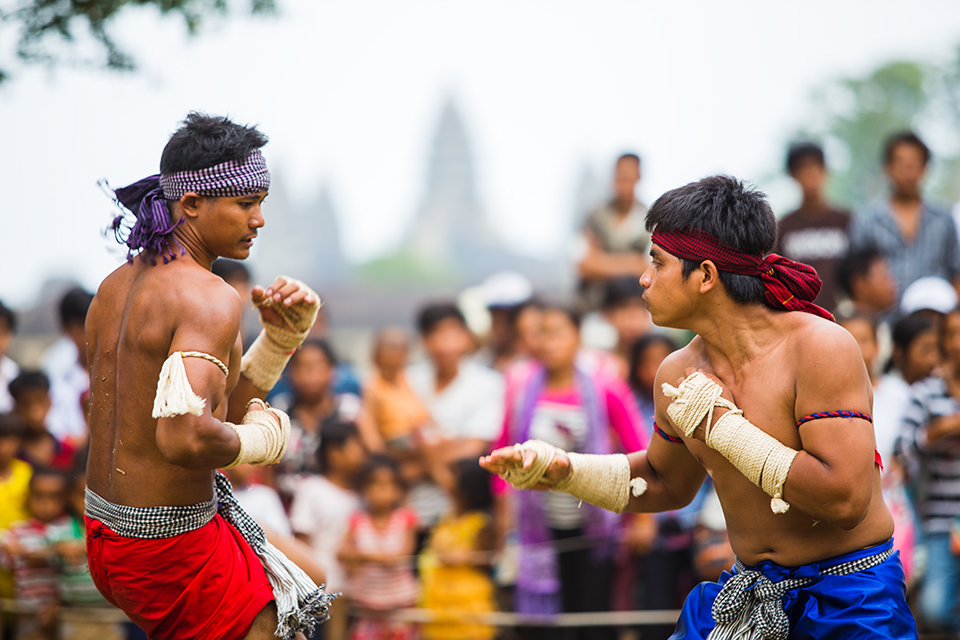
April: Capturing the raw energy, dramatic expressions, and traditional hemp bindings of ancient Kun Bokator martial artists performing during the vibrant Angkor Sankranta festival.
May: Start of mango rains & Sacred Festival
If you are lucky, witness the monks meditation early morning during Visakha Bucha festival, please be respectful when taking photographs.

May: Buddhist ceremony Visakha Bucha throughout Asia. Be respectful taking photos!
The Monsoon Season Months
June: Summer Solstice & The Jungle Canopy Revives
Summer solstice, the sun rise furthest north. Temperatures start to drop as the monsoon season gets under way, mosses start to revive, things are getting green.
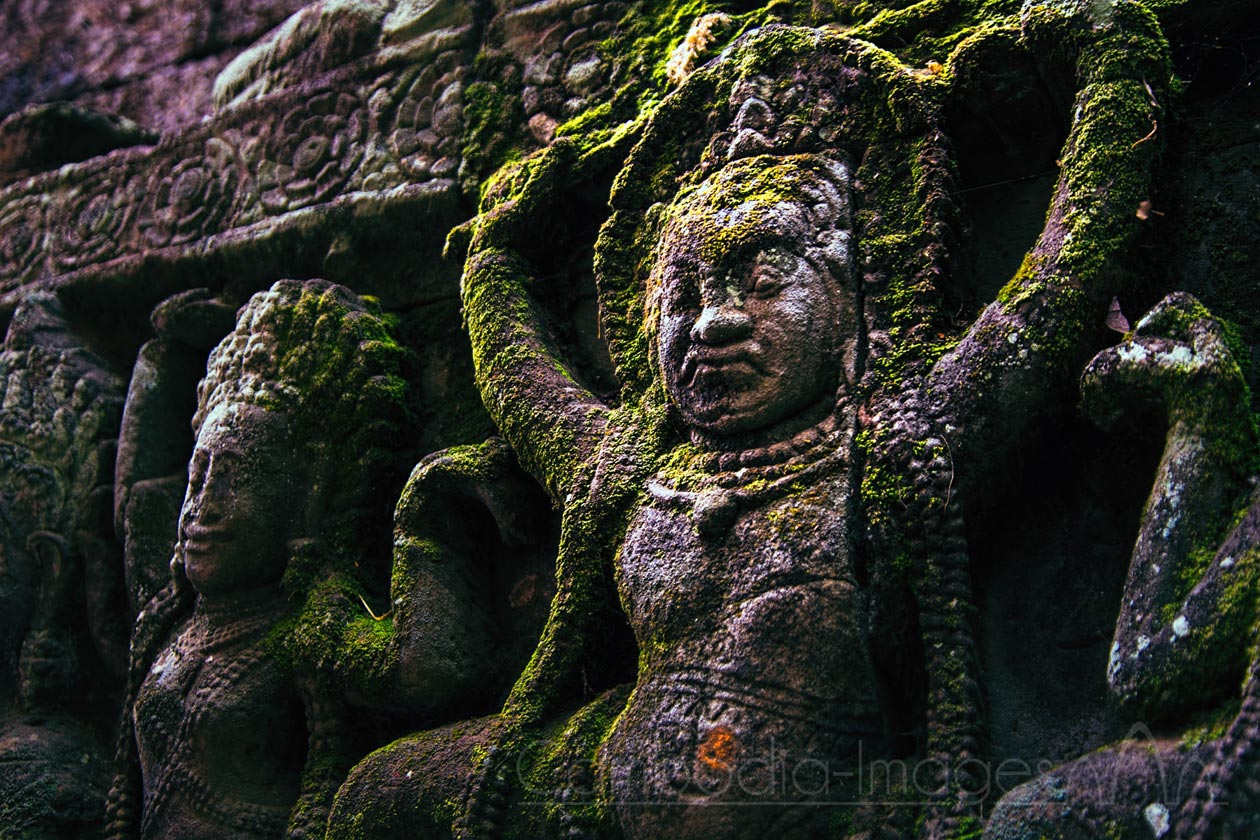
By June, the initial monsoon rains have started to revived the dormant temple lichens and green moss.
July: Tonle Sap Water Levels On The Rise
A slight increase of tourists as it’s European holiday time, the Tonle Sap is on the rise.
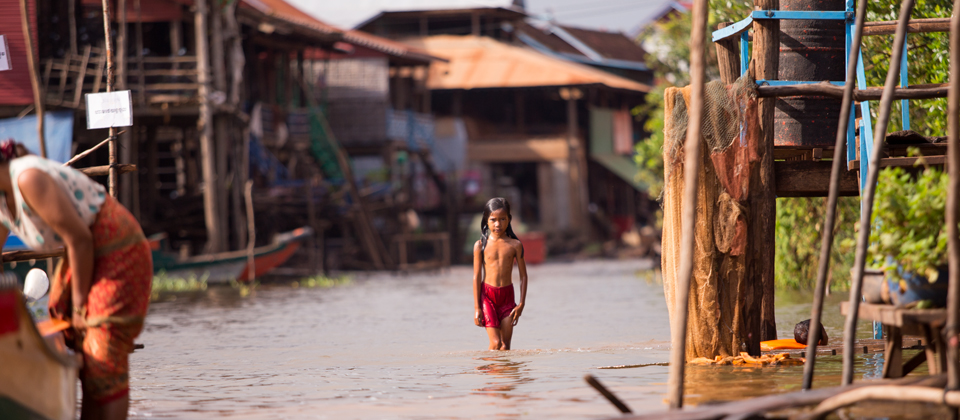
By July, the reversing flow of the Tonle Sap river rapidly floods the stilted communities, completely transforming daily village life.
August: Solitude, Low Tourism
Tourism dip’s, chances of a good drop of rain improve as the temple colours start to revive.

A student working on low-angle symmetry compositions during our wet-season photography workshops
September: Peak Monsoon Mosses & The Autumn Equinox
Historically the wettest month, however showers are usually isolated. Also the lowest month for tourists, a good time to visit Angkor for the autumn equinox.
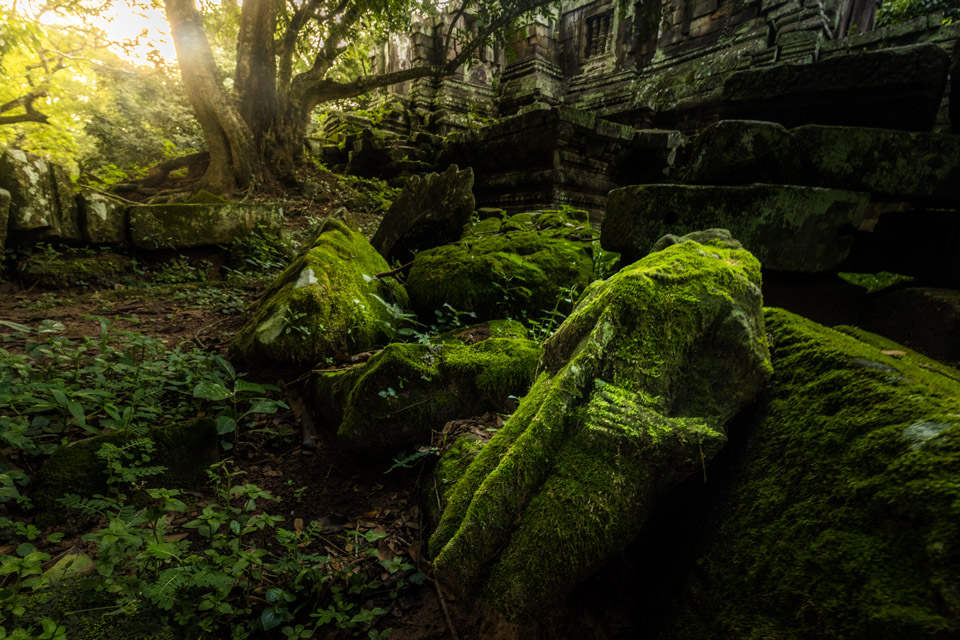
Tumbled sandstone structures completely overtaken by nature at the height of the emeral.d monsoon season.
September: The wettest month reviving mossy greens in Angkor park.
October: Dramatic Storm Skies & The Perfect Reflection Sunrise
The best month for storms, often isolates, typically dramatic early evening. A great time for the iconic Angkor sunrise.

October offers the most dramatic storm chasing conditions of the year. Utilizing long exposure techniques at twilight allows you to freeze intense lightning strikes within isolated, self-illuminating cumulonimbus cells over the rural plains.
November: Clear Skies, Pleasant Weather, & The Water Festival
End of rainy season and Khmer water festival time, best in Phnom Penh. Expect less showers and pleasant temperatures as tourism starts to rise, high season is coming.

November brings clear skies and the thrilling spectacle of Bon Om Touk (the Cambodian Water Festival).
December: Vivid Algae Greens & Shorter Shooting Days
Its the windiest month. Often the annual kite flying festival, Kleng Ek, is held around this month, check out local press for details. Things are getting dry, mosses die back, but we are blessed with some vivid algae greens and shorter days. End of year celebrators pack pub street in Siem Reap.

By December, the dry winter winds shift, allowing bright, vivid algae greens to develop along the damp bases of shadowed temple corridors.
Experience the Magic of Angkor Wat in Every Season No matter what month you land in Siem Reap, every season offers distinct lighting secrets. Don’t waste your precious travel days hunting for angles—join our private Angkor Wat Photography Tour. Let’s ensure you are standing in front of the perfect light at the exact right moment.
Got a few hours to spare before your flight? Discover the hidden side of local culture with your camera on our Markets & Pagodas Culture 1/2 Day Tour.”
2 comments. Leave new
A great explanation of when and why
Cheers Aarron. Things are really warming up here now for March, bring on the rain 🙂